
Oubliette
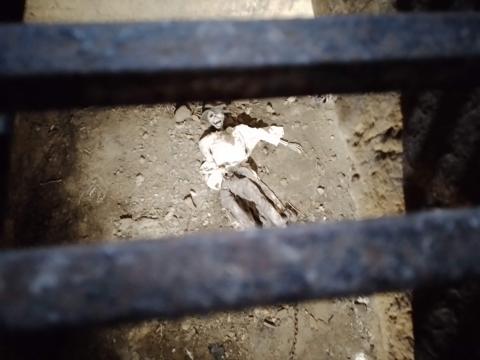
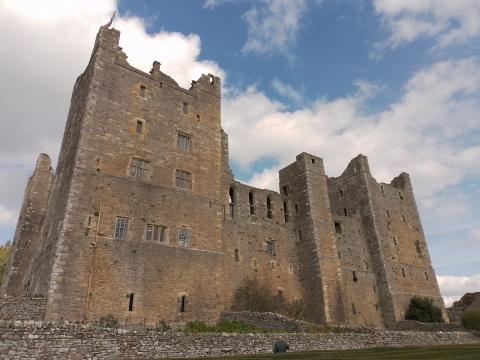
When children (and probably adults) visit an old castle, most want to inspect the dungeon. This is ironic, because anyone who lived in the age of the castle would have considered this room the last place they should like to see. Bolton Castle in the Yorkshire village of Castle Bolton does not disappoint in this regard.
This cold, dark pit hewn out of solid rock was where any unfortunate prisoners would have been kept. There are very few records to show us who was locked up here but it was unlikely that many people would have been thrown into such pits. Prisoners may have been awaiting trial (often at the Assizes at York) or were imprisoned as punishment for a less serious misdemeanour. This dungeon is only a few yards across. The only comfort offered by the accommodation was an en suite garderobe – a loo, which counts for something.
This type of dungeon is called an oubliette, derived from the French word 'oublier', which means 'to forget' and suggests that on occasion prisoners would have been lowered down by rope into the dark, damp and cold chamber and then simply abandoned to their fate. The fact that at least one arm bone has been found manacled to a rock in the dungeon seems to support this.
Although others may have been incarcerated in here during the Castle's history we only know about a very few individuals. In 1568, during Mary Queen of Scots' stay in the castle, when suspicion was rife and tensions high, a Dr Marshall was seized by Lord Scrope and kept in the dungeon under suspicion of being a papal agitator. A notebook containing 'much lewd verse' was also found in his possession. He was kept in the dark, grim chamber for several days before being questioned on his knees in front of a full assembly in the Great Chamber where he was declared harmless and released. Thankfully, he had been remembered; others had not.
In Lamentations 3:54-56, we read:
Waters flowed over mine head; then I said, I am cut off. I called upon thy name, O Lord, out of the low dungeon. Thou hast heard my voice: hide not thine ear at my breathing, at my cry.
A similar theme is found in Psalm 88:5:
Free among the dead, like the slain that lie in the grave, whom thou rememberest no more: and they are cut off from thy hand.
The grave, or hades, seems to be the ultimate dungeon: a dark holding place for men’s souls while they await judgement and the second death. Thank God for the gospel, in which God through Jesus Christ remembers His people and rescues them from their deathly bonds:
The Spirit of the Lord God is upon me; because the Lord hath anointed me to preach good tidings unto the meek; he hath sent me to bind up the brokenhearted, to proclaim liberty to the captives, and the opening of the prison to them that are bound. Isaiah 61:1
A D
- Log in to post comments

 Sunday Worship 10.45am & 6.00pm