
Jury's Out & Not Coming Back
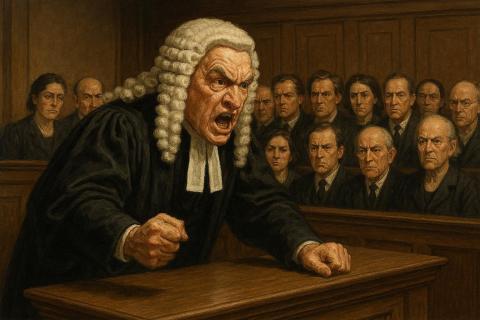
I once served as a juror and it was a poor experience. Magistrates were previously exempted, but this rule was relaxed, and so I was called up. The case was straight forward, I thought, but some of my fellow jurors were not the sharpest knives in the draw, and rather peculiar arguments were presented. In the end we all agreed, and I, the foreman, duly announced our verdict.
Jurors, being ordinary folk and from diverse backgrounds, are not always intelligent, educated, reasonable or pleasant. By and large, however, the system works, because they are generally fair. Ordinary people still have a sense of right and wrong, and do not like the prospect of a fellow ‘ordinary person’ being punished for something he did not do. Judges, on the other hand, are appointed and remunerated by the state, while a cabinet minister, the Lord Chancellor, has the prerogative to discipline them. Knowing also those anecdotes shared by tabloids about judicial officeholders being ‘activists’ who undermine the Christian world view, I have greater confidence in a dozen jurors than a career judge regarding impartiality. Imperfect though jurors are, advancement does not depend on their conclusions and they reflect a wider spectrum of Britons than the well-educated, urban middle classes from which lawyers are generally drawn.
The current government’s attempts to limit trial by jury are therefore deeply dangerous and a potential threat to justice. We who hold to socially conservative views and Christian faith are increasingly liable to prosecution; removal of the jury is a troubling proposal. Pray for our land, therefore, that our world-famous and widely exported method of jury trial, which originated in Anglo-Saxon England, shall be maintained, imperfect, slow and costly though it is.
- Log in to post comments

 Sunday Worship 10.45am & 6.00pm