
Portrait of an Elderly Man (1667)
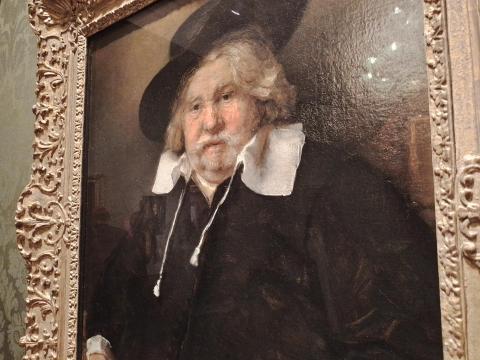
Rembrandt’s Portrait of an Elderly Man (1667) I saw at the Mauritshuis Gallery at The Hague. The subject of the portrait is unnamed, and is only known by his advanced age and appearance. His greying hair, the solemn and contemplative expression, the rich (though plain) clothes and the untied collar might suggest the ‘care free’ attitude sometimes associated with confirmed maturity. People in their nineties are more troubled by the weather than the government’s fiscal arrangements or the outcome of elections. Not only is the man well dressed according to the fashions of the mid-seventeenth-century Dutch Republic, but he has enjoyed more than his fair share of food, too; this old gent was seldom known for being abstemious.
The sitter, much like the artists and even the younger men and children who may have been walking past the studio while he patiently sat and the paintbrushes worked their trade, are all now dead. The fashions, the dinners, the thoughts and the business are all now concluded. The only subject which the Elderly Man now contemplates is the Lord Jesus Christ: he expresses worshipful gratitude above or shudders at the thought of pending judgement, below. I marvel at those elderly folk who do not better prepare to meet their Maker, for the prospect is always more certain than their next breath.
Then shall the dust return to the earth as it was: and the spirit shall return unto God who gave it. Ecclesiastes 12:7
A D
- Log in to post comments

 Sunday Worship 10.45am & 6.00pm