
Winchester Cathedral
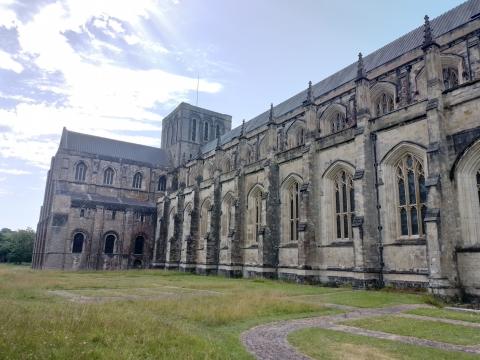
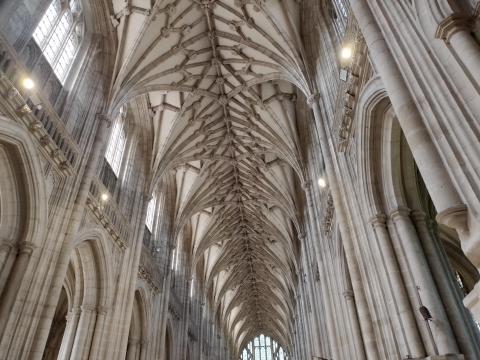
A large tick, that one. Winchester Cathedral, here in Hampshire, has now been duly visited and admired. Although it is one of those irritating ecclesiastical institutions which charges visitors to look around (nearly fifteen pounds) even though the entire nave was off-limits, I was almost persuaded that the admission charge was worth it. I changed my mind upon reflecting that my ancestors paid tithes and ecclesiastical taxes for centuries which paid for these buildings. Nevertheless, ancestry is a powerful force down here. Numerous royals lay buried in the vicinity, even if their bones have become muddled when they were transferred from the old Saxon minsters to the ‘new’ Norman cathedral, or during those shenanigans of the civil war years.
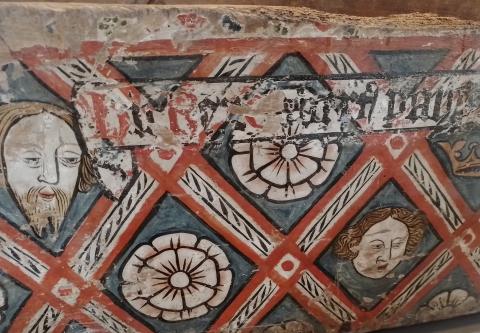
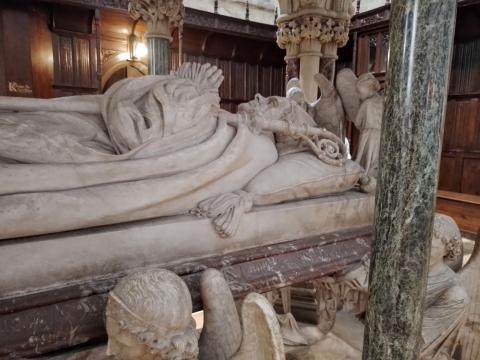
There are ancient ‘mortuary chests’ belonging to Alfred the Great, King Canute and Queen Emma, King William II (“Rufus”) and King Egbert. There is also the odd ‘saint’ (Swithun) as well as numerous Bishops of Winchester (including the detestable rogue, Stephen Gardiner), the lady novelist, Jane Austen, and Izaak Walton, author of the 1653 hit The Compleat Angler.
A grand enough place to inter anyone’s bones; far more salubrious than the little chapel’s grounds atop Newby Hill, or worse, those awful, no-frills cremations one can purchase at discount. Yet one's burial place is of less importance than the soul's destination. Is one saved, or unsaved? Forgiven or unforgiven? Declared righteous, or found guilty? Too many spend hours planning funerals, that is, the discarding of their bones, but not their eternities, the accommodating of their immortal spirits.
And it came to pass, that the beggar died, and was carried by the angels into Abraham's bosom: the rich man also died, and was buried; And in hell he lift up his eyes, being in torments, and seeth Abraham afar off, and Lazarus in his bosom. Luke 16:22-23
A D
- Log in to post comments
 Sunday Worship 10.45am & 6.00pm