
Family Lessons 166: Breres' Falcon
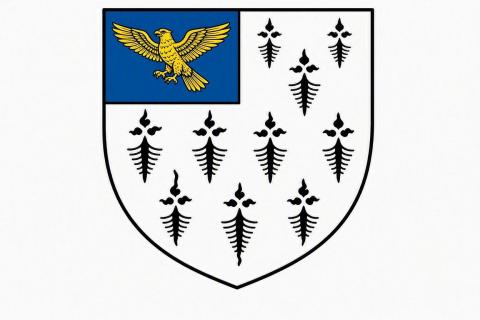
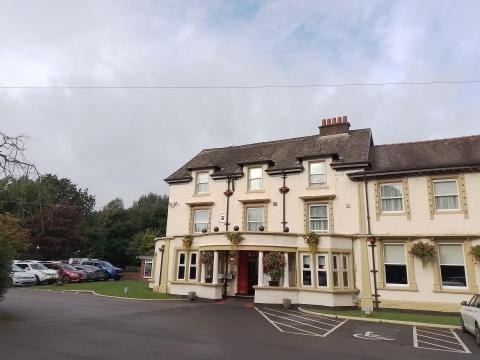
Roger Breres was my 15x great-grandfather who died at Chorley in Lancashire on 25 July, 1558, and lies buried somewhere at the parish church. He married Blanche Crosse before Sunday 27 May, 1515, which was Pentecost that year. He is described as a yeoman and a draper even though the family had a coat of arms, above, which meant gentry status. I cannot trace back his line any further, but it was likely he was a second or third son, an elder brother getting the manor house and bulk of the estate, which was probably based around Briars Hall near Burscough, which is now a rebuilt 'country house hotel', below.
The Breres family were known ‘recusants’ (Roman Catholics who refused to attend Anglican services) in the later sixteenth and seventeenth centuries, sometimes paying fines and additional subsidies, as the Crown viewed Catholics and those refusing to attend Church of England worship as useful sources of additional income. As they gave loyalty to a hostile, foreign head of state, the Pope, I am not entirely out of sympathy. When Grandfather Roger died in the summer of 1558, he must have been pleased that King Henry’s and King Edward’s reformations of religion had tried and failed. Queen Mary had restored the nation to its traditional, Romanist past; as he breathed his last, he may have given thanks for the masses planned for his funeral, the priestly prayers, the alms he gave which would ensure God’s favour, and the blessed Virgin’s intercession on his behalf. On the 17 November that year, the Bloody Queen herself was summoned to eternity, heralding the accession of Queen Elizabeth I and her decidedly Reformed and Protestant Church of England, albeit one rather more moderate than people like me would have liked. The heraldic falcon, as found on the Breres’ arms, is meant to represent determination and insight. Did Roger see that his popish hopes were going to be dashed, both in this world and the next? Time will tell. Tradition, heritage, ritual and routine may all offer comfort and a sense of security, especially in times of drastic change and disruption. None of them can save our souls, however, for only One can do that, Christ Jesus Himself. The wise see this, but the foolish are blinded.
When the wicked are increased, transgression increaseth: but the righteous shall see their fall. Proverbs 29:16, Geneva Bible
A D
- Log in to post comments
 Sunday Worship 10.45am & 6.00pm